
Oct-15-2026
How Much Do Storm Windows Cost to Install? A Complete Homeowner’s Guide
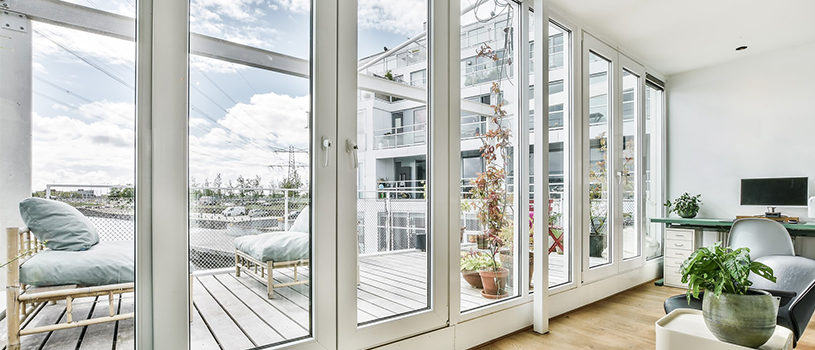
Storm windows offer the advantage of safeguarding your residence against severe climate conditions, preventing air leaks, and enabling energy conservation. However, prior to embarking upon the storm window installation or repair work, it is prudent to be acquainted with the rates of the services.
The final sum will be determined by factors like window frame material, its dimensions and type, along with installation specifications. Knowing about the variables that affect the cost of enlarging one’s options or the affordability of the job can help you make a better choice in terms of budgeting.
What are Storm Windows
Storm windows are additional units that are installed on the outside or the inside of one’s house or room. Storm windows are additional units usually made of glass or acrylic. They are intended to improve energy efficiency, reduce drafts, and protect primary window units from the elements.
Types of Storm Windows
Storm windows are divided into three categories depending on where they are installed and why they are used.
Exterior Storm Windows
Exterior storm windows are typically made of wood, aluminum, or vinyl. The title indicates that exterior storm windows are fitted to the exterior of the current units to shelter them from wind, rain, or other environmental agents.
Interior Storm Windows
Interior storm windows are installed on the inside of the room. They are lightweight, easier to clean or remove, and the best alternative for multi-level homes with hard-to-reach windows.
Temporary/Film Storm Windows
Temporary/film storm windows consist of some plastic or acrylic sheets being glued to the window frames by tape or magnets during the cold period.
The Cost of Storm Windows
The expense entailed by storm windows' installation varies according to numerous factors. In general, homeowners spend anywhere between $150 and $400 per unit, although the variance can be significant.
Size and Design of the Windows
Big and uniquely shaped windows will require more materials and more labor, thus increasing their price.
Quality of the Material
The choice of materials plays a major role in the cost, with aluminum, vinyl, or wood being relatively low-cost, or vice versa, depending on the selected high-quality material.
Extra Features
Additional features, such as low-E coatings or energy-efficient designs, can raise the material cost even though electric bills will be decreased.
Labor Installation
Professional installation costs can vary based on the job’s complexity and the service provider’s rates.
Storm Window Installation Options
You can either DIY the window project or hire a professional contractor to do the job. But learn what benefits and disadvantages both options offer.
DIY Window Installation
If you have experience with windows and want to save extra dollars, go with a DIY approach. A few basic tools and a weekend; that’s all it takes to complete the project.
Pros:
- DIY costs 40-60% less than hiring professional window contractors.
- You get to work at your own pace.
- There are no scheduling conflicts with professionals.
- You get a great feeling after DIYing your project.
Cons:
- If you do not have proper experience and knowledge, the process of window installation may take longer than expected.
- If you do not have proper experience and knowledge, the process of window installation may take longer than expected.
- You don’t get a warranty for protection.
- If you don’t have the necessary tools for the project, you need to buy or rent them.
Professional Window Installation
When you hire professional installers for the project, they bring expertise and speed. They are able to measure, place orders, and install windows.
Pros:
- Proper window installation is guaranteed.
- The project can be completed within 3-6 hours depending on the scope of work.
- You get a labor warranty for protection.
- You don’t need to learn anything; just relax.
Cons:
- Storm window installation costs can rise significantly, depending on the expertise of the installer.
- You need to schedule your project when the installer is available.
- You have less control over the window project.
- In rural areas, travel fees can push the already high window installation costs higher.
Hire Us For Storm Window Installation
Storm window installation over current window units is an idea worth considering. With it, you get better insulation, draft & noise reduction, and weather protection, and it’s cost-effective. If you are considering storm windows, partner with Vinyl Windows by Gibbs. Our team consists of professional and seasoned experts when it comes to window installation. With so much experience behind us, we have handled numerous window installations. Contact us to get your free quote and discuss your needs with us.
Frequently Asked Questions
Distinguish storm windows and regular windows.
Regular windows are primary, built-in structural systems installed directly into a home’s wall opening. Storm windows are protective coverings that are set either on the inside or the outside of a window,
Are there downsides to storm windows?
Yes, in fact, storm windows are not all good; they may increase the possibility of moisture collection and degradation of wood material.
Are modern windows supposed to be fitted with storm windows?
No, storm windows aren’t necessary for modern designs that have multiple glass layers, are filled with gases, and coated with Low-E.
Which material for storm windows is the strongest?
The choice of material for storm windows depends on what your goal is. Aluminum is used for its strength and low cost on the outside; wood gives historic accuracy, while films or vinyl are used for their price-efficiency in interior insulation.